In recent times, many parents have been bewildered by repeated social media reports of receiving emergency calls that have forged their children’s voices, demanded immediate money transfer, or threatened with blackmail. This is not a new form of fraud, but the danger is increasing as the bad guy uses the development of artificial intelligence (AI) to fake the voice of a loved one in a sophisticated, almost absolute way. Hitting on parental love and anxiety can leave many people in a state of panic, losing their cool, and making poor decisions.
Now, pseudophonetic AI software is growing rapidly with low cost, easy access, and a wide variety of tools. Within seconds of the victim’s audio, extracted from social media videos, clips sent to teachers, parent groups, or other common recordings, the bad guy could create highly persuasive phony scenarios. This makes it harder to avoid, especially for parents who aren’t tech savvy.
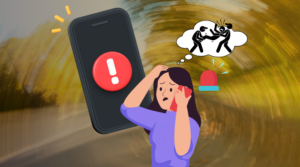
According to many parents, scam calls often have very similar scripts: children’s voices are faked very real, there is crying, trembling and constant cries for help “Mom, help me”. This can be accompanied by a background noise such as screaming or loud noises to make it look like your child is in serious danger. Notably, crooks often call correct parent or family phone numbers – numbers that may have been leaked data from a variety of sources. The private lottery makes it easier for parents to believe that only relatives can know.
The worst trick a scammer can do is to choose when and how to apply psychological pressure. They often call when parents are busy, unable to immediately contact the school or teachers for verification. The voice in the call is always urgent, threatening, pushing for immediate action, giving the listener no time to think. Fear of an accident, kidnapping, or serious trouble has many parents accepted the request, with the ultimate goal still being to appropriate the money through urgent wire transfers, “rescue fees,” or other unusual instructions.
In the face of this situation, the most important thing shared by experts and parents is to remain calm in any situation, absolutely not transfer money immediately. Parents should remember the “verify before acting” principle, and it is best to verify at least twice through different channels to ensure your child remains safe. You can call the child’s real number directly, contact the homeroom teacher, security guard, or school office, and ask relatives such as grandparents or parents if anyone is near your child.

A parent shares on her blog the statistical results of a rogue subscriber who repeatedly calls with a script to impersonate her child, begging for help.
Another good preventative measure is for families to agree on a “secret password” – a short, memorable phrase that only family members know. In the event of a real – life situation, the caller must say the correct password, which will help distinguish it from a scammer. In addition, parents need to educate their children about how to react to being asked by strangers to video, record, or provide personal information. Your child should be instructed not to listen to an unfamiliar number, disclose personal information, and let strangers record or take pictures of them at will.
In the context of ubiquitous technology, the subjective assumption that “not using the internet as much will not fool you” is misguided. For money’s sake, bad guys are willing to go to any lengths, especially at the end of the year when everyone is busy, making it easy to lose your guard. Despite constant warnings from the media and authorities, the victims of the trap are unavoidable and can not be blamed. Acts of taking advantage of parental affection are inhumane and should be strongly condemned by society and strictly handled according to law.