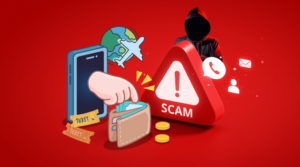
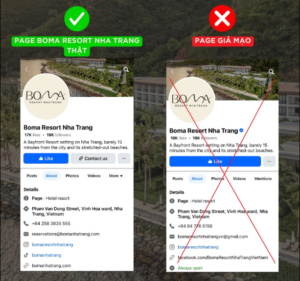
During the summer vacation season, scams impersonating a reputable travel business are on the rise with a much more sophisticated and sophisticated level than before. The subjects no longer make skimpy forgeries, but invest professionally, copying almost all the images, content, services, and processes of the real business to deceive its users. Many fraud groups even take over or create Facebook frequents that have blue tick marks, which look exactly like legitimate businesses, making it extremely difficult to tell the difference between real and fake.
Fake sites and fanciforks are well-invested in running ads, optimizing SEO, and putting the scam site high on Google search results. To increase credibility, they clear up negative comments, pump virtual interaction, maintain a regular posting schedule, and provide full contact information. Notably, some fake sites have even accused the real business of being a scam, thereby misdirecting and reinforcing users’ trust.
The consequences of these scams are serious. Many users who believed in the professional form and low-cost service packs quickly booked hotel, tour, or combo offers without careful checking. The scam scenario is so elaborate that even after the wire transfer, many victims do not realize they have been tricked. Even people with cybersecurity knowledge and careful verification can become victims.
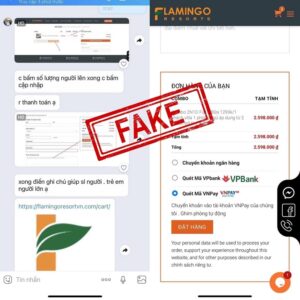
A victim preparing to fall into a trap when exchanging and accessing a fake link – Photo: Dung Kachi
When detected irregularly, damage is usually already very great. Some victims are instructed to “refund” through seemingly reasonable steps such as accessing a link, making a Zalo/Facebook friend, or confirming via a wallet. However, by simply clicking on the fake link, all the money in the account could be misappropriated, with damage in the tens, hundreds, or even billions of dollars. In other cases, after payment, the victim is blocked from contact and is only detected when arriving at a place to receive services such as a booked hotel or flight.
Fraud groups have also advanced their tactics by stealing real data such as price lists, photos, and booking information from legitimate businesses; using domain names that resemble official websites; and using the reputation of blue tick and consumers’ incentive hustling during the tourist season to force quick cash transfers.
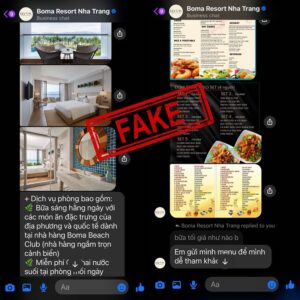
Data on the business’ operations stolen by the scam team, then sent to the victims professionally
In the face of this situation, users are advised to carefully verify information before ordering services, not just based on green tick; only transfer to accounts in the legal name of the business; be wary of unfamiliar links that require personal information; refer to the assessment from the prestigious community and actively report signs of fraud to the authorities. As AI and forgery technologies continue to evolve, heightened vigilance and verification of multiple sources are key to avoiding victimization.