From July 1, 2025, Vietnam officially deploys the two – level government model nationwide. Accordingly, the district and provincial levels are abolished and the administrative system is reduced to two levels, namely provincial/city and commune/ward/township. This was seen as a major change in state management, directly impacting the administrative information of tens of millions of people. One day before the date of application, the VNeID application has automatically updated the information of permanent residence of citizens according to the new administrative boundaries, helping the transition to be synchronous and convenient.
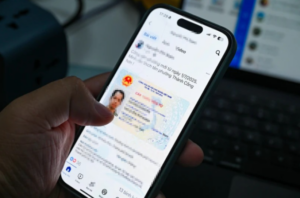
This change quickly attracted great interest on social media. Many people are excited to take a screenshot of their VNeID app to “bride” their new permanent address as a way to mark an important event. The trend of sharing images spread on Facebook, Zalo and many other platforms, taking a positive color and expressing people’s interest in changes in administrative management. However, behind this seemingly harmless act, there are serious risks to personal information security, especially in the wake of the rising forms of high – tech fraud.
It should be emphasized that VNeID is not merely a routine application but is seen as the “identity key” of every citizen in a digital environment. A screen shot from a VNeID typically contains many important personal data, including a citizen’s identity number, full name, date of birth, permanent residence, official portrait, and QR codes directly linked to identification databases. When this information is made public, even unintentionally, the person posting it may have opened up an opportunity for the bad guys to take advantage of it.
With the development of artificial intelligence and modern image processing tools, it’s possible for fraudsters to “snap” information from a publicly available photograph. Facial and character recognition technology allows for quick, accurate data collection, which in turn serves a variety of illegal acts such as forging identities, forging identity papers, illegally opening bank accounts, borrowing money online, or carrying out property appropriation transactions. Just one act of posting photos to share personal joy can make an account owner the next victim of sophisticated scamming rings.
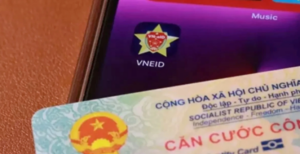
Information security experts have repeatedly issued warnings: citizens should absolutely not post photos containing sensitive personal data on social media. Information such as a citizen’s identity, a QR code from a VNeID, a bank card, identification, or any other identifying document can all be used if it falls into the wrong hands. Even if you only share within friends, users need to be very careful, as the risk of leaking information can come from many uncontrolled sources.
In the event that you do need to share something, the user should carefully cover up important information such as ID number, detailed address, QR code, or a photo, and set the post to the proper privacy setting. However, the safest thing to do is not post pictures that contain personal data on social media in any way.
In the digital age, personal information is just as valuable as physical assets. The protection of identity data is not only the responsibility of regulatory agencies but also the consciousness of each individual. Being alert, checking, and actively protecting your personal information is the most effective way to protect yourself from potential risks in today’s online environment.